
Pondering mauri tau, collective wellbeing and the depth of our teams
Lately, I've been pondering mauri tau and what it might look and feel like within our teams.
In an earlier blog, I explored how professional conversations, inquiries and Professional Growth Cycles (PGC) can create ripples of change. How a new idea, a question or a different perspective might influence our thinking and, over time, our ways of being and doing.
But I've found myself returning to that thinking.
Maybe it isn't just about the pebble we drop into the pond.
It could be about the depth of the water receiving it.
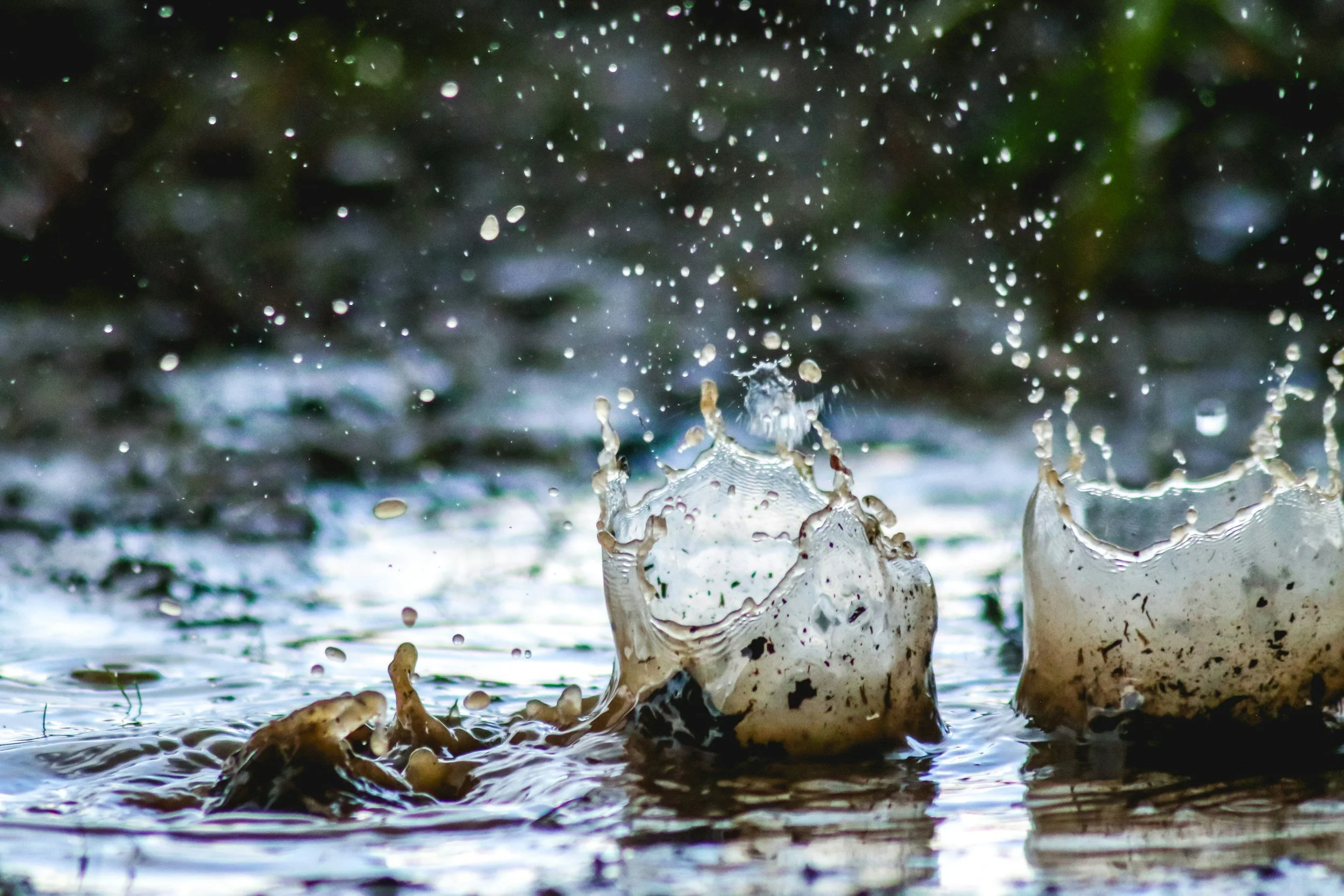
Two ponds, one pebble
Imagine two ponds. Both appear calm. Their surfaces are still. From where we stand, there is little to distinguish one from the other.
Yet one is shallow, while the other has considerable depth. Now imagine dropping the same pebble into each pond.
In the shallow pond, the pebble quickly meets the hard ground beneath. There is a sudden impact, a jarring, and water splashes in different directions. There is little depth to absorb what has arrived.
In the deeper pond, the pebble enters the water and moves through it. Ripples spread outwards, gently disturbing the surface. The pond is changed by the arrival of the pebble, but there is space to absorb its impact. There is no sudden collision, no abrupt resistance.
The pebble is the same. What differs is the depth of the water. I wonder whether our teams are a little like these ponds.
What lies beneath the surface?
In a previous pondering about passive harmony, I explored how a team can appear to be functioning well, yet beneath the surface there may be conversations that aren't happening, perspectives that aren't being shared and questions that remain unasked.
Sometimes maintaining the peace becomes more important than exploring what really matters.
But I think this pondering takes me somewhere beyond harmony. It takes me towards mauri tau.
Because a team experiencing mauri tau isn't simply a team where everyone gets along, agrees with one another or avoids conflict.
It's a collective where people are grounded. Where there is a shared understanding of values and purpose. Where relationships have been nurtured, where people feel they belong, and where everyone has contributed to creating a positive wairua within the space.
Perhaps this is what gives our pond its depth.
From individual wellbeing to collective wellbeing
One of the ideas that has resonated with me from reading Mauritau is the understanding that wellbeing is collective.
It's not simply about me being well, or you being well, but about us being well. So often, wellbeing is approached as something individual. We talk about looking after ourselves, finding balance, managing stress and protecting our own wellbeing.
While these things matter, I wonder whether we sometimes overlook the wellbeing of the collective.
Because we can have individuals who are thriving, relationships that are strong, and pockets of positive wairua, without necessarily having a collective that is well. This is where the depth of our pond comes from.
Not simply from the wellbeing of each person, but from the connections between us.
From the values we share, the care we show one another, our sense of belonging and the responsibility we each take for the wellbeing of the whole.
It invites us to shift our thinking from How am I doing? to How are we doing? When we begin to understand that my wellbeing is connected to yours, and yours to mine, we begin to nurture the kind of collective mauri tau that gives our pond its depth.
The climate we create together
I've also been thinking about the connection to He Māpuna te Tamaiti and the role kaiako play in creating the emotional climate of a learning environment.
We know that the way we are with tamariki matters. Our tone, our body language, our responses and the energy we bring into a space all contribute to how that environment feels. But the climate isn't created by one kaiako alone. Maybe this is another way of understanding collective mauri tau.
We cannot separate our own ways of being from the wellbeing of those around us. The wairua of our setting isn't something that simply exists. It is something we are continually creating together, through our relationships, interactions and responses to one another.
This doesn't mean we must always feel positive or never experience frustration. Rather, it asks us to recognise our shared responsibility for the wellbeing of the collective.
I think nurturing mauri tau begins with understanding that the climate we create belongs to all of us, and that we each have a part to play in caring for it.
Nurturing the depth
As I've been reading Mauritau, I've been particularly drawn to the dimensions of wellbeing, especially taha whānau and taha wairua.
Taha whānau invites us to consider our relationships, connections, belonging and the ways we support one another.
Taha wairua draws our attention to our values, sense of purpose, identity and the spirit of the space we share.
I wonder how intentionally we nurture these dimensions within our teams. We spend considerable time thinking about curriculum, assessment, planning, professional growth and quality improvement. All important aspects of our work. But how often do we stop and consider the wellbeing of the collective itself?
Do we feel connected to one another?
Do our shared values genuinely guide how we interact?
Can we bring our questions, uncertainties and different perspectives into the open?
Do we feel safe enough to disagree while remaining connected?
Most importantly, do we recognise that the wairua of our setting is something we all contribute to?
Because nurturing mauri tau isn't simply the responsibility of the leader. Every interaction, every conversation, every act of care and every willingness to listen contributes to the collective experience of being together. Possibly the depth of our pond is developed through these everyday moments.
When the pebble arrives
Now imagine the pebble represents a new idea. It could be in the form of a question raised during a PGC conversation. Or a different perspective shared at a team hui. A change in expectations. Or an invitation to reconsider a practice that has become familiar.
The pebble isn't necessarily a challenge or a problem. It may be an exciting possibility, something that invites us to think differently.
In a shallow pond, where the collective hasn't developed strong foundations of trust, belonging and shared purpose, the new idea may quickly meet resistance.
There may be defensiveness, withdrawal, disagreement or people moving in different directions.
Not necessarily because the idea is wrong or because people are unwilling to grow, but perhaps because there isn't enough depth within the collective to absorb its arrival.
Now consider a team where mauri tau has been intentionally nurtured.
The new idea still creates ripples. There may be questions, different perspectives, uncertainty and even disagreement.
But the collective has the capacity to hold these differences. There is enough trust to explore the unfamiliar, enough connection to remain alongside one another, and enough shared purpose to keep the focus on what matters.
The ripples move outwards.
Each kaiako may receive the idea differently.
One might begin to question an established practice. Another may notice something they hadn't considered before.
Someone else may need time to ponder what it means for them.
Gradually, those ripples may influence new understandings and different ways of being and doing.
The pond has changed.
Not because the pebble created chaos, but because there was depth to receive it.
Depth comes first
This brings me back to my original pondering about professional conversations, PGC and inquiry.
I've often thought about how these processes create opportunities for growth. How one kaiako inquiry can influence the thinking of others, creating ripples that move beyond the individual and into the collective.
I still believe this. But have we nurtured the relationships, trust, shared values and positive wairua that allow these conversations to be meaningful?
Have we paid enough attention to the wellbeing of the collective?
This doesn't mean waiting until everything is perfect before beginning a professional learning or quality improvement journey.
In fact, the conversations we have along the way can help us strengthen relationships, develop trust and deepen our collective understanding.
Although we may need to be more intentional about recognising that how we are together matters just as much as what we are learning together.
Nurturing mauri tau is not something separate from quality improvement. It is part of the conditions that make meaningful improvement possible.
A collective responsibility
Returning to the idea that the depth of the pond is something we create together, a leader may help establish the conditions, open conversations and invite reflection, but they cannot create collective mauri tau alone. Every person contributes to the wairua of the space.
Through the ways we listen, respond, show care, share our thinking, navigate differences and uphold our shared values, we either strengthen or weaken what lies beneath the surface.
This is where our collective responsibility sits.
Not in ensuring the water is always still, but in nurturing the depth that allows us to remain connected when it isn’t.
Because the ripples will come. New ideas, different perspectives, changing expectations and unexpected challenges are part of our professional journeys.
The measure of our collective wellbeing isn't whether those ripples disturb us, it's whether we have nurtured enough depth to receive them, learn from them and allow them to influence who we are becoming together.
Something to ponder
Perhaps we need to look a little more closely at what lies beneath the surface of our teams.
Not simply whether everyone appears happy, or whether things seem to be running smoothly.
But whether we have collectively nurtured the relationships, shared values, sense of belonging and wairua that give our teams depth.
Because a shallow pond and a deep pond can look exactly the same.
Until the pebble arrives.
Notice | Ponder | Grow
What lies beneath the surface of our collective?
How are we intentionally nurturing taha whānau and taha wairua within our team?
What are we each contributing to the mauri tau of our setting?
And when the next pebble arrives, will there be enough depth to receive it?
Aroha nui
Lynn