
Where you lead, I will follow
There are moments in our professional lives when our practice changes, not because we have discovered a new strategy, but because we begin to see differently. Over recent years I have found myself returning to one simple question:
Who do we believe mokopuna already are?
It is a deceptively simple question, yet every pedagogical decision we make grows from the answer.
If we see mokopuna as empty vessels, our role becomes one of filling.
If we see mokopuna as lacking, our role becomes one of fixing.
If we see mokopuna as adults in waiting, our curriculum becomes one of preparation.
But what if our image of the tamaiti was different?
What if we taught from the knowledge that mokopuna arrive already rich with identity, mana and whakapapa? This question has shaped much of my thinking over the years and became the foundation of a workshop titled Where You Lead, I Will Follow. Rather than focusing on new strategies for teaching infants and toddlers, the workshop explored a more fundamental shift: changing the image of the tamaiti that we hold.
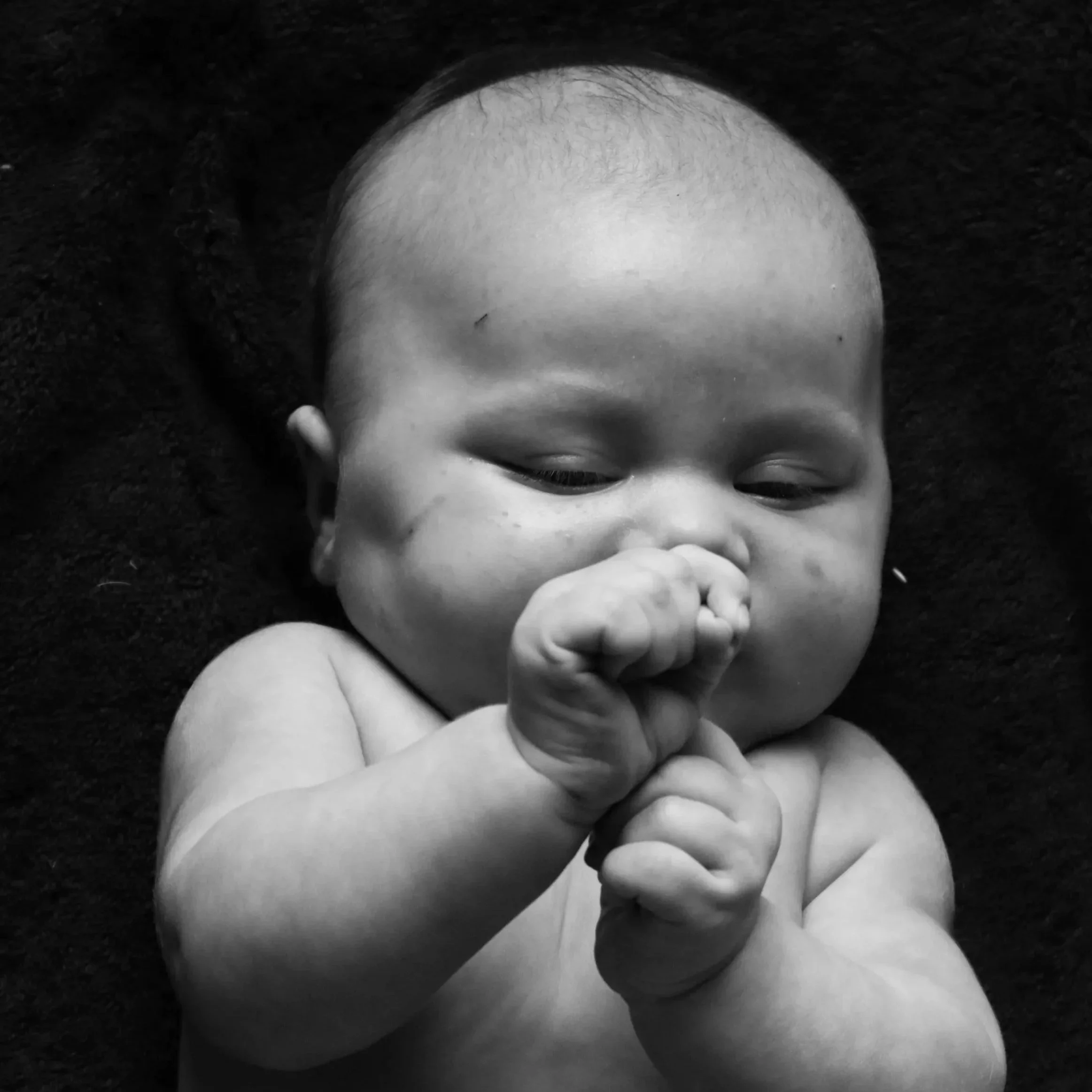
Mokopuna arrive with more than potential
In te ao Māori, mokopuna are born with mana. They arrive carrying whakapapa - not simply as a genealogy of those who came before them, but as a living inheritance of identity, relationships, stories, values and ways of knowing that have travelled across generations.
This understanding challenges us to think differently about our role as kaiako.
Perhaps our task is not to create curiosity, resilience, confidence or belonging.
Perhaps our task is to recognise this and so much more as already exisiting.
Recently, the work of Elizabeth Emere Harte through Tūpuna Parenting has deepened my understanding of this image of the tamaiti. Elizabeth speaks of pēpi as being born with both tapu and mana. When we understand that pēpi are born with tapu and mana, then our role is not to bestow worth or create potential. Our responsibility becomes one of recognising, protecting and honouring what is already present.
Hana Tapiata reminds us that the answers to unlocking our potential lie within our whakapapa. If this is true for us as adults, then our youngest mokopuna also arrive with gifts that are already present, waiting to be recognised, nurtured and honoured.
This way of seeing is not new to my practice. Over many years I have found myself writing learning stories that look beyond what tamariki are doing and instead ask what they might be bringing. I have often wondered whether the strengths, interests and dispositions emerging in their play are simply developing, or whether they are revealing threads of whakapapa already carried within them.
It is a question I have reflected on in the learning stories I have written for each of my mokopuna.
Ollie's stories, however, brought this thinking into even sharper focus.
When Ollie arrived in our whānau, I found myself drawn to his quiet, observant nature. He noticed details that others walked past. He returned repeatedly to trees, insects and the natural world with an attentiveness that seemed woven into who he was. As I reflected, I couldn't ignore the connection to his whakapapa. Ollie's father carries the middle name Kāhu - a name that evokes the hawk, renowned for its keen observation and ability to notice what others miss. I began to wonder whether I wasn't witnessing a disposition developing, but rather a thread of whakapapa becoming visible.
Over the following years, those same threads continued to emerge. Olllie’s curiosity about te taiao deepened. Today, as a five-year-old, Ollie naturally takes on the role of kaitiaki, gently reminding others to care for the environment around them.
Did we teach Ollie to become a kaitiaki?
Or did we recognise something that had always been there and created the conditions for it to flourish?
His learning stories became less about documenting what he was learning and more about recognising what he was bringing.

As I look back across the learning stories I have written for my own mokopuna, I notice a common thread.
They are not just stories about what they have learnt.
They are stories about what they have brought with them reflecting their tūpuna hopes and dreams.
Roman's stories explored storytelling as part of his whakapapa and Ngāti Porou identity.
Paisley's stories reflected the manaakitanga, aroha and bravery woven through her whānau and ancestors.
Ollie's stories explored observation, connection with te taiao and his growing identity as a kaitiaki.
Together they have led me to wonder:
What if learning stories are not simply records of learning outcomes grown, but acts of recognising whakapapa becoming visible?
Mokopuna arriving with more than potential aligns with the image of the tamaiti found in Te Whāriki as He purapura i ruia mai i Rangiātea - a precious seed holding identity, belonging and potential long before they enter our early learning settings.

Seeing childhood differently
Carlina Rinaldi reminds us that the image we hold of the tamaiti determines what we see, what we value and how we respond.
Emily Plank extends this thinking by inviting us to see childhood as a culture in its own right rather than viewing children through the lens of adulthood.
Together, these perspectives challenge us to move away from asking:
What does this child need to become?
Instead, we begin asking:
Who is this tamaiti already?
It is a subtle shift in language, yet a profound shift in pedagogy.
Observations become less about milestones and more about meaning.
Learning stories become less about documenting development and more about recognising identity.
Intentional teaching becomes less about directing learning and more about responding thoughtfully to the mokopuna who is already before us.
Creating the conditions for tamariki to flourish
There is a saying often shared among gardeners: If a plant isn't growing, don't try to fix the plant. Change the conditions.
Perhaps this is equally true in early childhood education. Our responsibility is to create environments and relationships that allow mokopuna to reveal who they already are.
That means asking ourselves:
What conditions invite this mokopuna to flourish?
How does our environment uphold their mana?
Do they have uninterrupted time to become deeply engaged?
Am I present enough to notice what they are communicating?
Are our relationships built on trust, responsiveness and genuine curiosity?
Does our curriculum follow the tamaiti, or does it ask the tamaiti to follow the curriculum?
This is about recognising that when we begin with an image of the tamaiti as capable and connected, our teaching naturally shifts towards protecting the conditions in which identity, curiosity and learning can unfold. Changing the conditions rather than trying to change the tamaiti reflects a profound respect for the image of the mokopuna as already capable, already connected and already holding strengths.
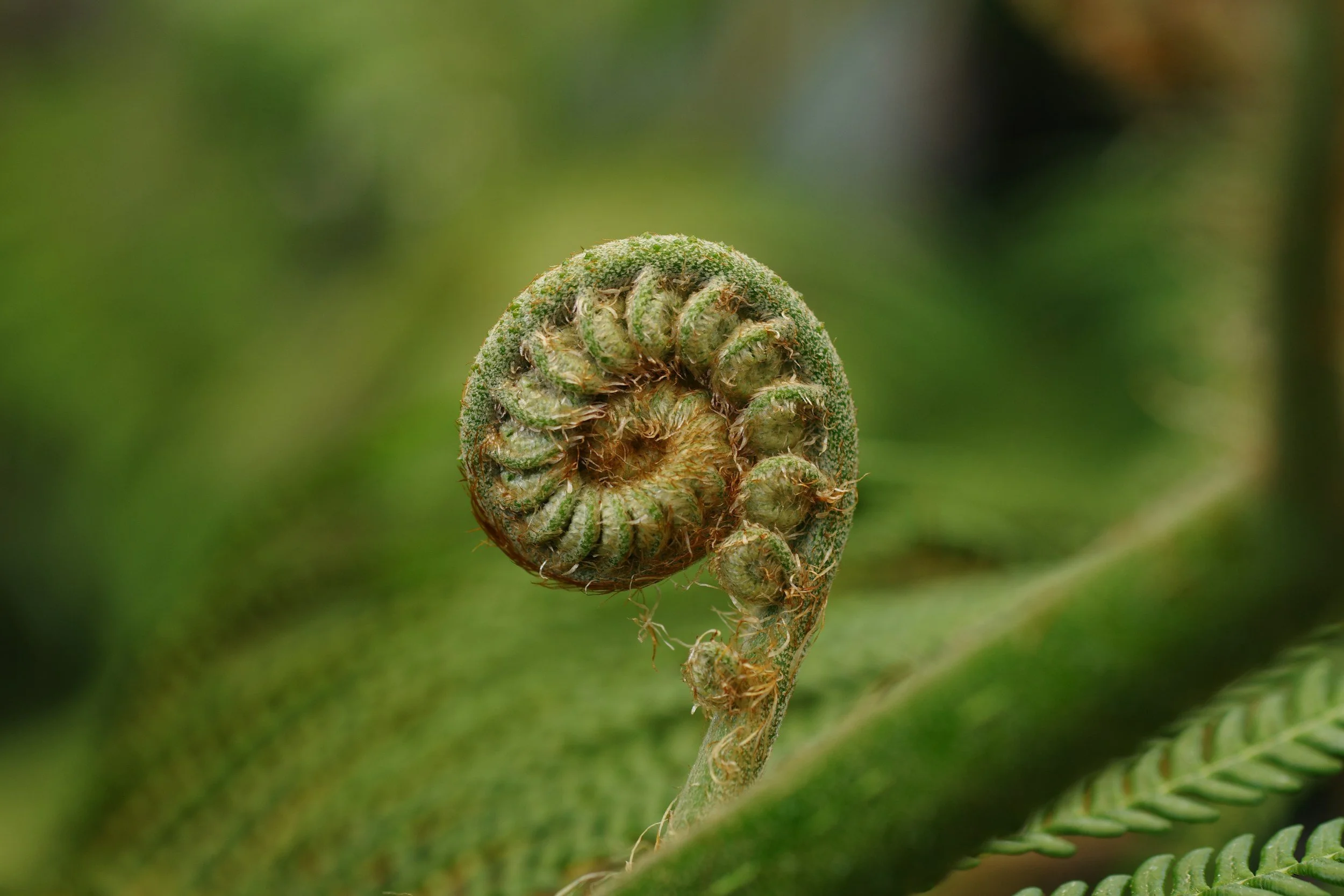
Slow pedagogy as an ethical response
This way of thinking naturally leads us towards slow pedagogy.
Slow pedagogy is often misunderstood as simply doing things more slowly. In reality, it is about creating the conditions that allow
learning to unfold in ways that are meaningful to the tamaiti and their whānau.
It invites us to:
Be with - becoming fully present and attentive to the rhythms of each mokopuna.
Go off track - following the questions and interests of the mokopuna, even when they lead us beyond our plans.
Dive deep - protecting uninterrupted time for sustained exploration, revisiting ideas and developing working theories.
Take the longer view - trusting that meaningful learning cannot be rushed and recognising that identity unfolds over time.
Slow pedagogy is not another teaching strategy.
It is the natural consequence of believing that mokopuna are full of potential.
Following rather than leading
The title Where You Lead, I Will Follow could be interpreted as a whimsical idea. But it is not about mokopuna determining every aspect of the curriculum. Nor is it about abandoning intentionality as a kaiako.
Instead it reminds us that mokopuna are constantly communicating who they are through their relationships, their play, their questions, their interests and their ways of being.
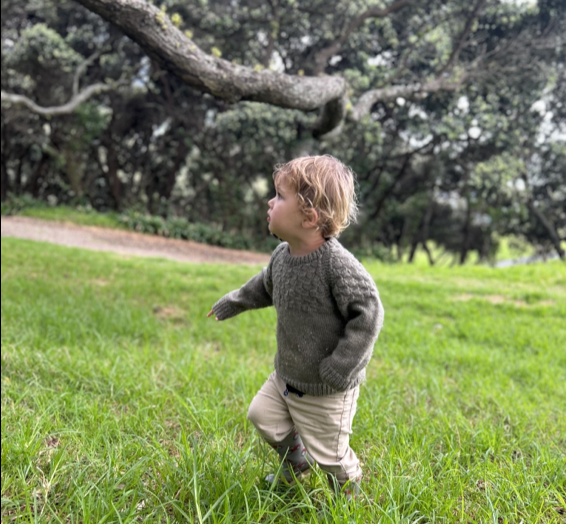
When we truly notice these moments, we are invited to follow - not blindly, but intentionally.
To follow their curiosity.
To follow their strengths.
To follow the threads of their identity.
To follow the unfolding of their whakapapa as it is expressed in everyday moments.
It is perhaps one of the most intentional acts of teaching we can offer.
A different way of seeing
The greatest pedagogical shift we can make is not changing what we do with mokopuna. It is changing who we believe mokopuna already are. When we begin with an image of the tamaiti as born with tapu, mana, whakapapa and knowing, our practice naturally changes.
We slow down.
We listen more deeply.
We observe with greater curiosity.
We create environments that nurture rather than direct.
We write learning stories that recognise identity rather than simply record learning outcomes.
And perhaps, most importantly, we begin to see each mokopuna not as someone waiting to become, but as someone becoming visible to us. Because the greatest gift we can offer infants and toddlers is not another activity, another programme or another carefully planned experience - it is how genuinely we are willing to see them as part of the blueprint.
Tū mai e moko. Te whakaata o ō mātua. Te moko o ō tīpuna.
Stand strong, O moko. The reflection of your parents. The blueprint of your ancestors.
References
Clark, A., & Green, S. (2021). A Froebelian approach: Time for childhood - Slow pedagogy. Froebel Trust.
Harte, E. (n.d.). Tūpuna Parenting.https://www.tupunaparenting.maori.nz/
Ministry of Education. (2017). Te Whāriki: He whāriki mātauranga mō ngā mokopuna o Aotearoa: Early childhood curriculum. Learning Media.
Plank, E. (2016). Discovering the culture of childhood. Redleaf Press.
Rinaldi, C. (2006). In dialogue with Reggio Emilia: Listening, researching and learning. Routledge.
Tapiata, H. (2025). Whakapapa: The foundation of who we are. Penguin Random House New Zealand.