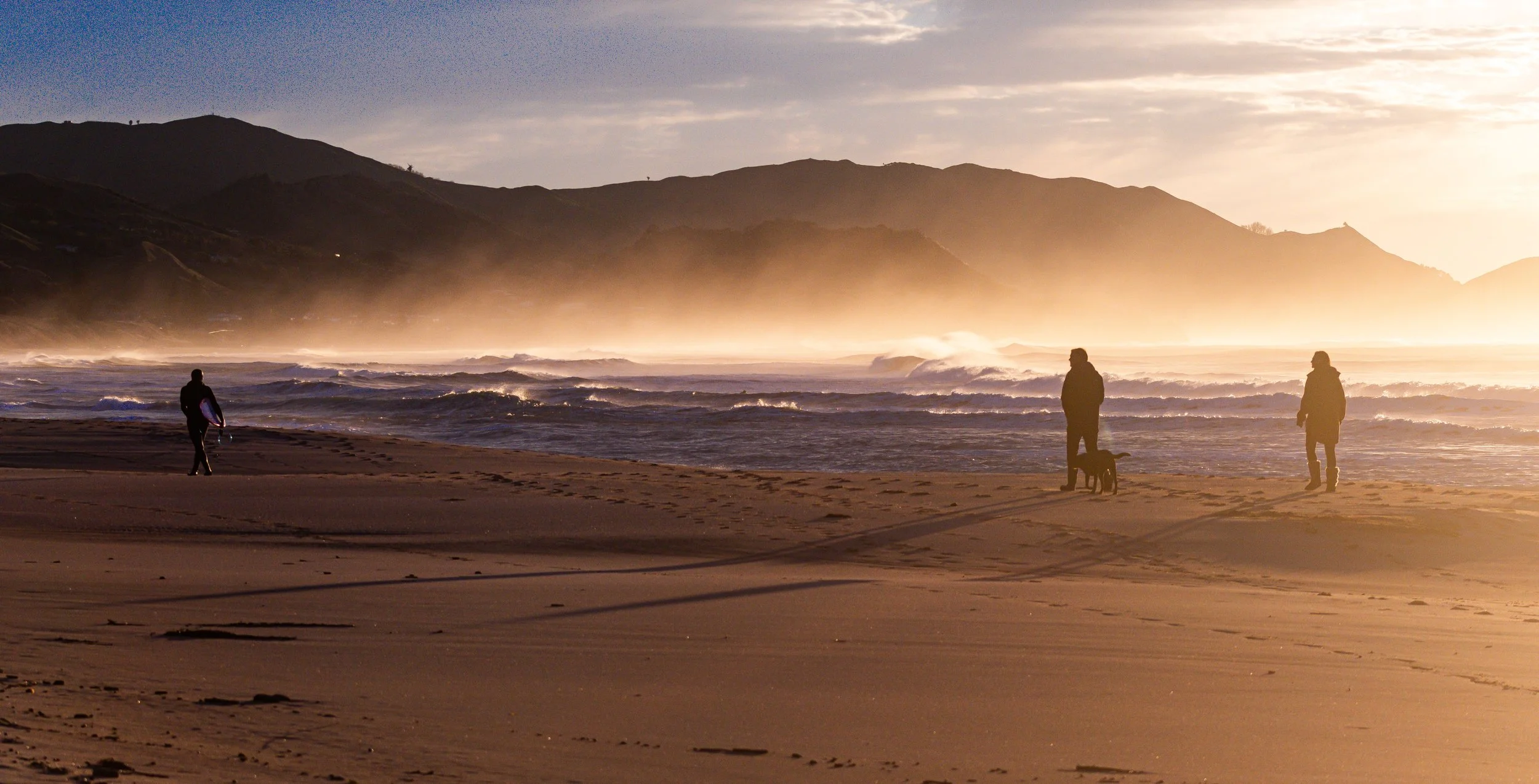
Reflection doesn’t always begin with a question.
Out the door, across the grass, down the stairs... and to the beach.
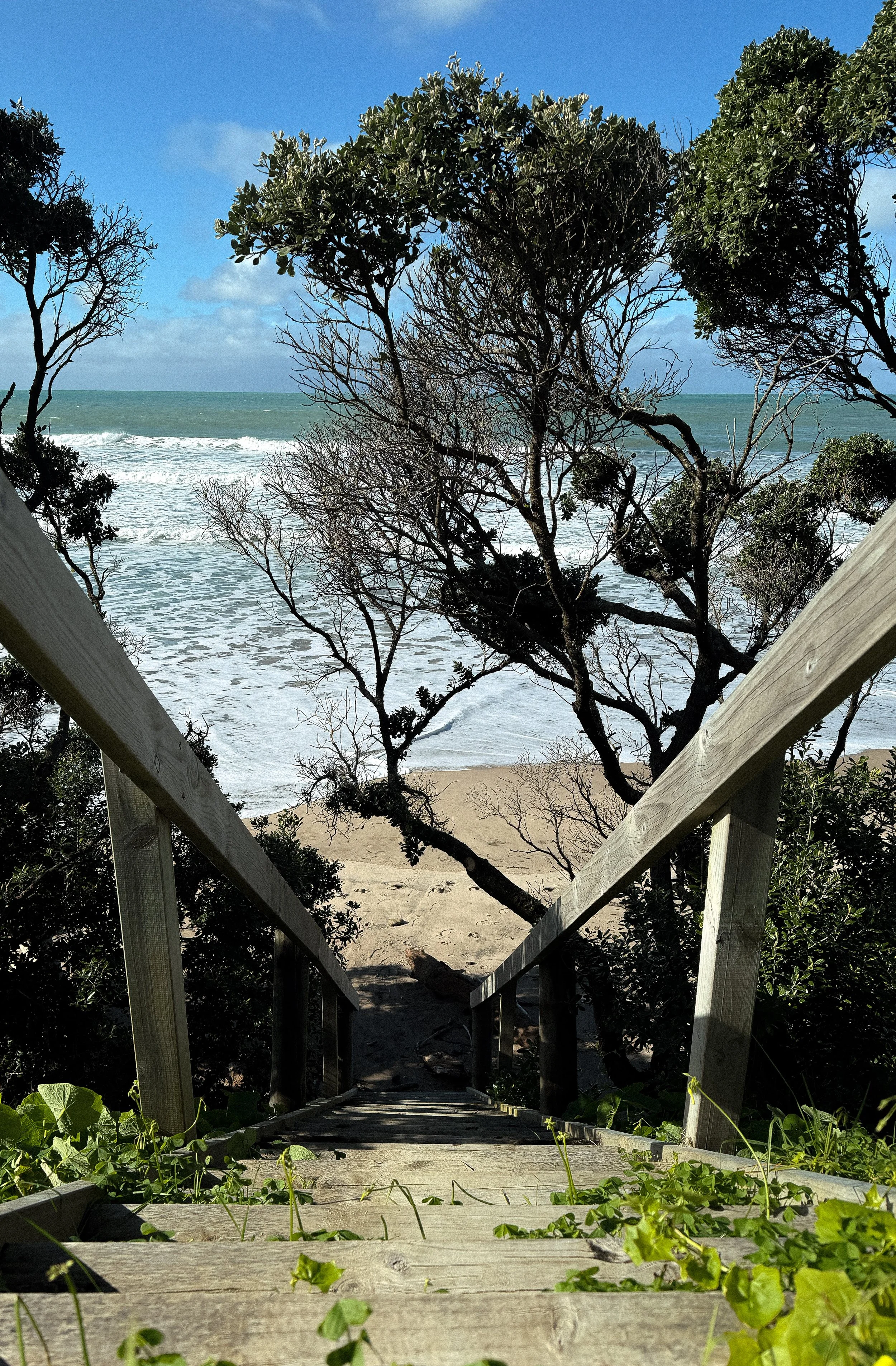
Imagine your story beginning like that.
For me, that isn't just the start of a walk. It's the conditions I intentionally create for reflection.
I spend one week each month in Gisborne. I could choose from many different places to stay, but I always choose the one where I can walk out the back door, across the grass, down the stairs, and onto the beach.
That choice is intentional.
The beach isn't simply a destination. It's where my mind slows down, my breathing settles, and my thinking becomes clearer. By the time I reach the water, I've left the noise behind. My cup begins to fill. My wairua is restored. It is there that ideas emerge, perspective returns, and genuine reflection begins.
The beach isn't the goal.
The beach represents the conditions that make reflection possible for me.
That has made me wonder about something else.
We often ask kaiako to be reflective.
Reflection appears in professional growth cycles, internal evaluation, and professional conversations. Some settings ask kaiako to write reflections, share reflections, and demonstrate reflection.
But I wonder...
Are we creating the conditions that make reflection possible?
Do busy brains invite reflection?
When we're with tamariki, we're observing, responding, listening, noticing, extending learning, keeping everyone safe, and being fully present. Then, when we finally have planning time, our brains are busy again - planning, documenting learning, organising resources, responding to emails, preparing for meetings, and thinking ahead.
Busy minds rarely become reflective minds.
Reflection isn't something we squeeze into the last five minutes of the day. It isn't simply completing a template or writing a paragraph because accountability requires it. I'm not convinced that writing one reflection every month automatically makes us reflective. In fact, I think it can create the very opposite of the conditions needed for deep thinking.
Being reflective is much more than completing a task.
It requires space.
It requires stillness.
It requires permission to pause.
It requires time to wonder, revisit a moment, explore different perspectives, ask difficult questions, and sometimes even sit with discomfort or regret long enough to learn from it.
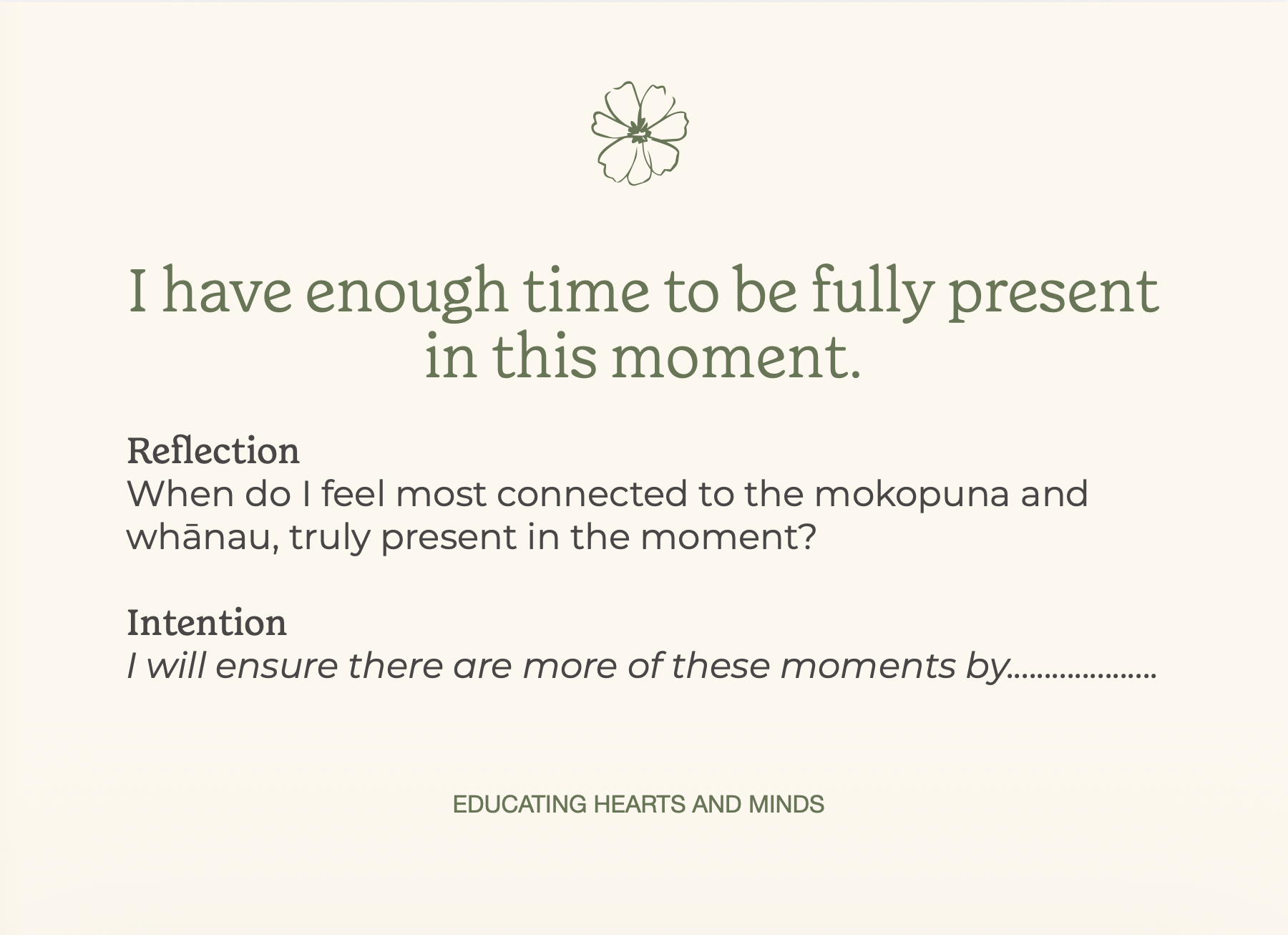
Recently, while developing our Growing Together – Reflect, Connect, Grow reflection cards, I realised something important. Each card offers an affirmation, a reflective question, and an intention for action. They are designed to invite thinking and growing together as a teaching team.
But even the best reflective question cannot create reflection on its own.
Reflection doesn’t always begin with a question.
It might begin with conditions.
As leaders, perhaps our role isn't simply asking kaiako to reflect.
Perhaps our responsibility is to intentionally create environments where reflection can naturally occur - for ourselves as well as for our kaiako.
What might that look like?
Maybe it's slowing down a kaiako hui instead of racing through housekeeping items.
Maybe it's taking one meaningful moment from the day and unpacking it together.
What did we notice?
What might the tamaiti have been communicating?
What surprised us?
What assumptions did we bring?
What could we try next?
Rather than everyone writing individual reflections, we create a culture of shared reflection.
We give people permission to think before they speak.
To wonder before they solve.
To pause before they move on.
When I look back at the reflection cards, I realise they are really invitations. Invitations to pause, to notice, to grow. But invitations can only be accepted when people have the time, emotional safety, and mental space to respond.
Perhaps this idea extends far beyond reflection.
We don't create collaboration by telling people to collaborate.
We create the conditions where collaboration can flourish.
We don't create curiosity by asking kaiako or tamariki to be curious.
We create conditions where wondering feels safe. We don't create belonging by writing it into a philosophy statement.
We create conditions where people genuinely feel seen, heard, valued, and connected.
Leadership is less about expecting behaviours and more about designing environments where those behaviours naturally emerge.
Reflection doesn't happen because we ask for it.
Reflection happens because we intentionally create the conditions that allow it to flourish.
So I'll leave you with one final question.
My conditions are simple.
Out the door.
Across the grass.
Down the stairs.
And to the beach.
What are the conditions in your place that allow kaiako - and you as a leader - to truly pause, think deeply, and grow?