
Transitions as a Relational Journey
Written by Michelle Flower
Honouring the emotional and relational journey of transition for tamariki, whānau, and kaiako.
Last year, my sister was blessed with her first grandchild. Watching Marley grow into the confident and competent one-year-old he is today has been a privilege. Not to mention seeing my niece just blossom into a Mum, who is passionately curious about being the best mother she can be. As he approached his first birthday, and the reality of returning to work for my niece we found ourselves in rich conversations about what quality in early childhood education looks like, sounds like, and feels like.
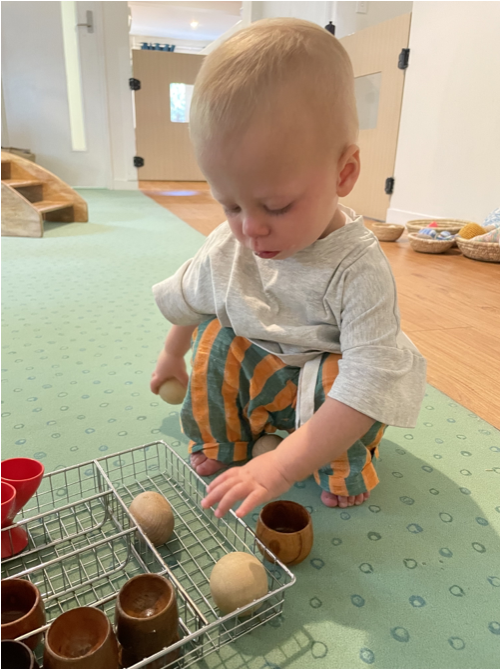
These conversations led me to reflect more deeply on transitions as a relational, emotional, and learning journey for tamariki, whānau, and kaiako. Reflecting on wise practice from this side of the gate, putting myself in my niece’s shoes in providing her emotional support as together we trusted the process, but more importantly the kaiako who held Marley in their care.
Transitions as a Process
Transitions do not begin on the first visit, they begin in the quality of the welcome the whānau receive. As Goodsir reminds us, induction is not simply a process of enrolment, but a relational act that “communicates a heartfelt welcome…inviting people with both heart and head, not just policy and procedure”. The paperwork is something that is completed over time.
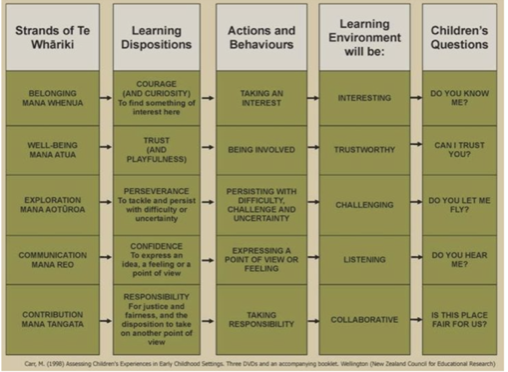
As Margaret Carr reminds us through the dispositions framework, transitions are a process that unfolds over time. These key provocation questions remain central:
Do you know me?
Can I trust you?
Do you let me fly?
Do you hear me?
Is this place fair for me?
Trust is cultivated not through perfectly executed systems, but through the moments of generosity, presence, and attentiveness that tamariki and whānau experience in those first encounters.
When we view transitions through this lens, the focus shifts from filling a space to supporting relationships, identity, and continuity of experience.
Being Water Thinkers in Practice
At Educating Hearts and Minds, we often speak about the difference between rock thinkers and water thinkers. Rock thinkers are fixed and resistant to change, while water thinkers are flexible, responsive, and open to new possibilities.
Transitions require us to be water thinkers.
The journey of each tamaiti is unique. A set timeframe, such as a three-week transition, may not honour the individual rhythms of each tamaiti. My niece’s starting date was negotiated, this was valued by her, she appreciated that to provide the best possible experience for Marley kaiako had to set the scene for success. At the same time respecting the energy and time, required and kaiako well-being. Te Whāriki encourages us to respond to
the mokopuna in ways that are meaningful, culturally responsive, and individually paced.
Alison Clark’s slow pedagogy emphasises the importance of time, particularly in moments of transition, recognising that tamariki experience the world at a very different pace to adults. Clark advocates for a more mindful approach that allows the mokopuna to process, adjust, and participate in transitions in their own time. The pace of transitions becomes a key aspect of emotional wellbeing: when transitions are slowed down, mokopuna are less likely to feel overwhelmed, and more able to remain regulated and engaged. This approach values observation, listening, and creating space for responses to the mokopuna suggesting that unhurried transitions support a sense of security, agency, and continuity in the day of the tamariki.
What does slow then look like when systems can be inherently fast?
While slow pedagogy invites us to honour the pace of the tamaiti, it also challenges us to remain fully present even within busy systems, ensuring that connection is never sacrificed over efficiency.
For Marley this meant that Mum was called to pick him up after a period of time when he was sitting in his emotions and could not be supported to regulate. It is completely normal for tamariki to experience moments of distress, during which their bodies release cortisol, a natural stress hormone. Because infants and toddlers do not yet have the neurological capacity to regulate their own emotions, they rely on responsive caregivers to help soothe them and bring those stress levels back down. When a caregiver responds with comfort, through touch, voice, or presence, cortisol levels decrease.

How long is too long to allow a tamaiti to cry? Can I trust you to meet my emotional needs in this moment? Concerns arise only when distress is frequent, prolonged, and unmet, as consistently elevated cortisol can impact emotional development.
Partnerships with Whānau: A Foundation for Success
Central to successful transitions is the strength of relationships between kaiako and whānau. Te Whāriki positions whānau as experts on their child, reinforcing the importance of genuine partnership.
Creating space for early conversations, before transitions begin, allows for:
sharing knowledge about the tamaiti
building trust
addressing uncertainty or emotion.
As Marley’s sense of belonging grew, so did his participation in meal times. Feijoas are his favourite at the moment, and Mum allowing him to pack some into a snack box was the simple act of intentionality that supported this.
Practical strategies are not just about what we do, but how we do it. Creating spaces for unhurried conversation, asking genuine questions, and sharing parts of ourselves as kaiako can transform transitions to relational experiences.When whānau feel informed, included, and respected, tamariki are more likely to feel secure.
Pictures of Marley in play peppered throughout the day were like a life line that allowed my niece to breathe. These photos showed the intentionality of kaiako as they responded to Marley’s urges to climb and pull so thoughtfully in their environment. They highlighted that indeed they are getting to know Marley, and that in their “yes” environment they are willing to let Marley fly.
A recent meeting with a small cohort of parents highlighted just how powerful intentional, relational moments can be. Whānau shared stories, asked questions, and began to see themselves not only in relation to the setting, but in relation to one another. This created a growing sense of belonging, where parents could connect, recognise shared experiences, and feel less alone in the journey of transition. These connections between whānau given time, will became another layer of support, and strengthen the wider relational fabric around the tamariki.
Alongside this, kaiako offered stories about each child, sharing specific examples of how tamariki were settling, engaging, and responding to their new environment. These small, thoughtful insights signalled something much deeper than information-sharing, they answered the quiet but ever-present question: Do you know me?
When whānau hear how their child is seen, understood, and responded to as an individual, trust begins to take root. In these moments, communication becomes more than a strategy, it becomes a relational bridge that strengthens connection, affirms identity, and supports a shared sense of belonging.
Transition as a Bridge
Rather than viewing transitions as a crossing from one room to another, we might instead see them as a bridge, one that tamariki cross alongside their whānau and kaiako.Practical strategies that support this include:
creating personalised transition books with photos of the people, places and things that are important to the tamaiti
offering short, gentle visits that gradually increase over time
ensuring environments reflect continuity and familiarity
allowing children to revisit previous spaces to maintain connections.
The Role of the Touchstone Kaiako
The concept of a touchstone kaiako reflects the importance of secure, responsive relationships:
The touchstone kaiako:
provides emotional security and attunement
supports the child to build connections with others
remains present as a consistent, reassuring figure
Drawing on the Circle of Security, tamariki are supported to explore while knowing they can return to a safe base. This balance between exploration and connection is critical during times of change.
Individualised and Responsive Planning
High-quality transitions are not one-size-fits-all. Individual settling plans, co-constructed with whānau, ensure that:
The rhythms, preferences, and cultural identities of the mokopuna are honoured
familiar objects, languages, and practices are incorporated
plans evolve as the confidence of the mokopuna grows.
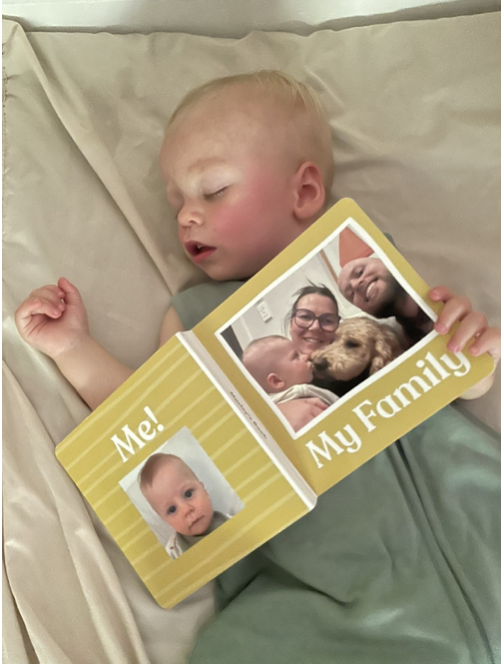
This Snapfish book created by Marley’s Nana has been shared, carried around and kept Marley connected to his whānau. So much so that the next edition has been created called “My favourite things”.
Communication as Practice
Effective transitions require clear, inten
tional communication between teams and with whānau. This includes:
shared planning
clarity of roles
ongoing reflection
When everyone understands the “why” and “how,” transitions become more than a process, they become a shared commitment to the child’s mana and learning journey.
If we value whānau as the first teacher of the mokopuna, and an expert on their tamaiti, then walking in authentic partnership ensures that transitions are approached with thoughtfulness, flexibility, and care.
We are reminded that teaching is an intimately human activity. The concept of manaakitanga, extending care, generosity, and respect, offers a powerful lens for transitions. It asks us to prioritise people over process, and to engage in ways that are responsive, human, and deeply relational.
Ultimately, transitions are not defined by timelines or checklists, but by the quality of the welcome, how deeply tamariki and whānau feel seen, heard, and held as they begin their journey.
References:
Ministry of Education (2007). Te Whāriki: He Whāriki Mātauranga mō ngā Mokopuna o Aotearoa/Early Childhood Curriculum.
Clark, A. (2022). Slow knowledge and the unhurried child: Time for slow pedagogies in early childhood education. Routledge.